
This website is about UK DSEAR, or to give it a full title “ATEX and UK Dangerous Substances and Explosion Risk Regulations (DSEAR) Compliance”, and set up as an information resource, for the Waste Industry including Landfill Sites.
 It is provided and maintained by IPPTS Associates.
We hope that you will find this web site useful, and that you will contact us for a priced proposal if you require expert assistance with Landfill ATEX Directive Health and Safety compliance and:
- UK implementation under the DSEAR in Northern Ireland under the corresponding regulations
- Safety and Health Regulations in the Irish Republic.
In addition to operational and closed Landfill ATEX Risk Assessments, and ATEX compliance reviews, we also offer our compliance service for resource and waste management facilities. Please contact us with your requirements.
UK Dangerous Substances and Explosion Risk Regulatory Compliance – Background
History
The ATEX Directive was in various stages of implementation for more that three years. However, it finally came into force for all workplaces on 30 June 2006.
The important point that all Waste management Companies need to be aware of is that the HSE (UK) considers that landfills fall within the DSEA regulations. More from HSE here…
UK Waste Industry – Industry Specific DSEAR Compliance Guidance
Industry Specific DSEAR Guidance on compliance with safe operation best practice, in the waste management industry, is always the first place to look to in order to establish the best working practice for any industry
UK waste management industry ATEX and DSEAR implementation (ICoP) guidance is available and has been since 2006 from the ESA UK website.
All Employers must ensure that DSEAR risk assessments are complete, and Explosion Protection Documents and training and procedures, are in-place for all “at risk” sites, and also regularly being regularly updated and inducted to all new staff.
View the latest ICoPs (Industry Codes of Practice) and download them here.
What is the ATEX Directive?
The full title is the “Explosive Atmospheres Directive (ATEX 137)”.
The Explosive Atmospheres Directive (ATEX 137 – 2014 update) is a European Union Directive which requires employers to protect workers from the risk of explosive atmospheres.
An explosive atmosphere is defined as a mixture with air, under atmospheric conditions, of dangerous substances in the form of gases, vapours, mist or dust in which after ignition has occurred, combustion spreads to the entire unburned mixture.
As a flammable or explosive substance or dust must be present to create an explosive atmosphere there is considerable overlap between the Chemical Agents Directive (CAD) and ATEX.
What should landfill owners/ operators do?
Landfills
If sufficiently experienced in the assessment of landfill gas hazards, the owners/ operators should now be:
- carrying out the necessary risk assessments and other actions for new landfill sites to ensure the safety of those connected with their sites
- reviewing and updating existing DSEAR risk assessments, on a regular cycle, and when change in circumstances occur.
If not suitable experienced, they should engage suitable expert advice.
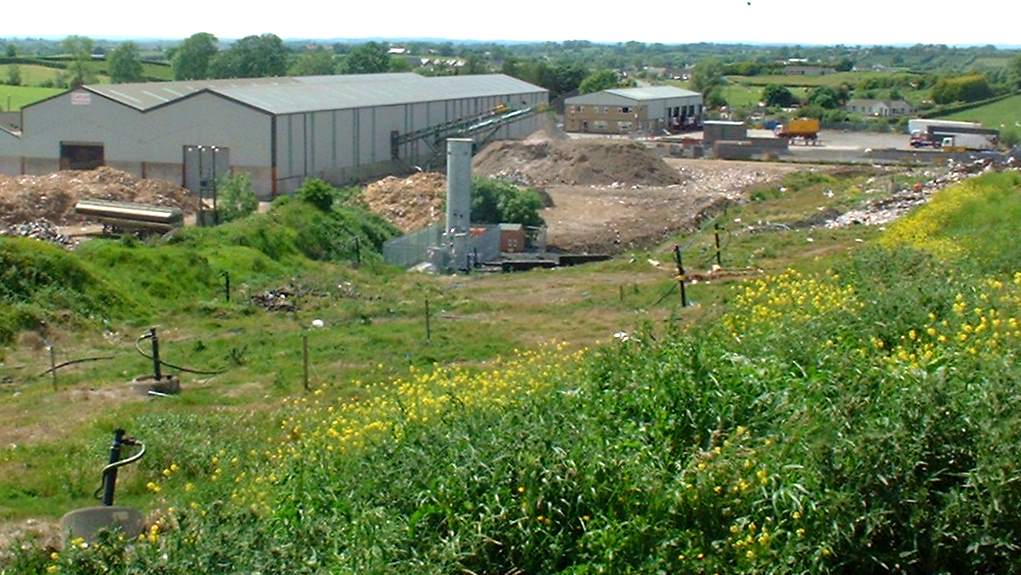
For operating landfills the Site Manager will normally be responsible for DSEAR compliance, however, the selection of the responsible person is less clear for closed landfills, and many may need specialist advice.
The zoning for confined spaces within landfills is becoming a matter for very careful consideration indeed, given the cost implications of installation of hazard zone compliant pumping and monitoring systems. The HSE has published some guidance for landfill operators here…
The Industry Codes of Practice (ICoPs) are still those drafted for the waste management industry in 2005 – 2006, with the first having been released in November 2005.
These show:
- how to apply explosion risk hazard zoning for landfills, including gas and leachate collection wells
- explosion risk zoning rules for the area of gas dispersion in the air above gas wells, leachate wells, and monitoring boreholes.
Risk assessments need to be done for landfill site activities carefully, and it may be prudent to collect data on methane concentrations in advance of the assessment.
Waste Facilities
No Waste Industry ICoPs have yet been written for waste facilities, assessments can be completed using related industry compliance guidance.
For full assessments are carried out in advance of the ICoPs, there will be some risks that if, and when, relevant ICoPs are published, some changes may arise.
What is DSEAR?
DSEAR stands for the Dangerous Substances and Explosive Atmospheres Regulations 2002.
Dangerous substances can put peoples’ safety at risk from fire and explosion. DSEAR puts duties on employers and the self-employed to protect people from risks to their safety from fires, explosions and similar events in the workplace, this includes members of the public who may be put at risk by work activity.
What are Dangerous Substances?
Dangerous substances are any substances used or present at work that could, if not properly controlled, cause harm to people as a result of a fire or explosion. They can be found in nearly all workplaces and include such things as solvents, paints, varnishes, flammable gases, such as liquid petroleum gas (LPG), dusts from machining and sanding operations and dusts from foodstuffs.
What does DSEAR compliance require?
Employers must:
- find out what dangerous substances are in their workplace and what the fire and explosion risks are;
- put control measures in place to either remove those risks or, where this is not possible, control them;
- put controls in place to reduce the effects of any incidents involving dangerous substances;
prepare plans and procedures to deal with accidents, incidents and emergencies involving dangerous substances; - make sure employees are properly informed about and trained to control or deal with the risks from the dangerous substances;
- identify and classify areas of the workplace where explosive atmospheres may occur and avoid ignition sources (from unprotected equipment, for example) in those areas.
The text above is a short extract from the HSE web site. Visit here for more about DSEAR.
Here are the DSEA Regulations in full, in the UK Government’s Statutory Instruments web site.
We also recommend purchase of the HSE publication, Dangerous Substances and Explosive Atmospheres, Approved Code of Practice and Guidance, from the HSE. This is essential reading for all those involved.
